Oil production remains a significant contributor to Nigeria’s economy and a major component of the country’s energy industry. However, achieving sustainable production growth requires more than the availability of hydrocarbon resources.
It requires strategic investment, appropriate infrastructure, technical expertise, efficient operations, and effective management of existing oil assets.
As the global energy market continues to evolve, Nigeria’s ability to maximize its petroleum resources will depend on how effectively industry stakeholders address operational challenges and develop available opportunities.
At Exxoton Oil & Gas Ltd., we recognize the importance of efficient oil production in strengthening Nigeria’s energy sector and creating long-term economic value.
Understanding the Oil Production Process
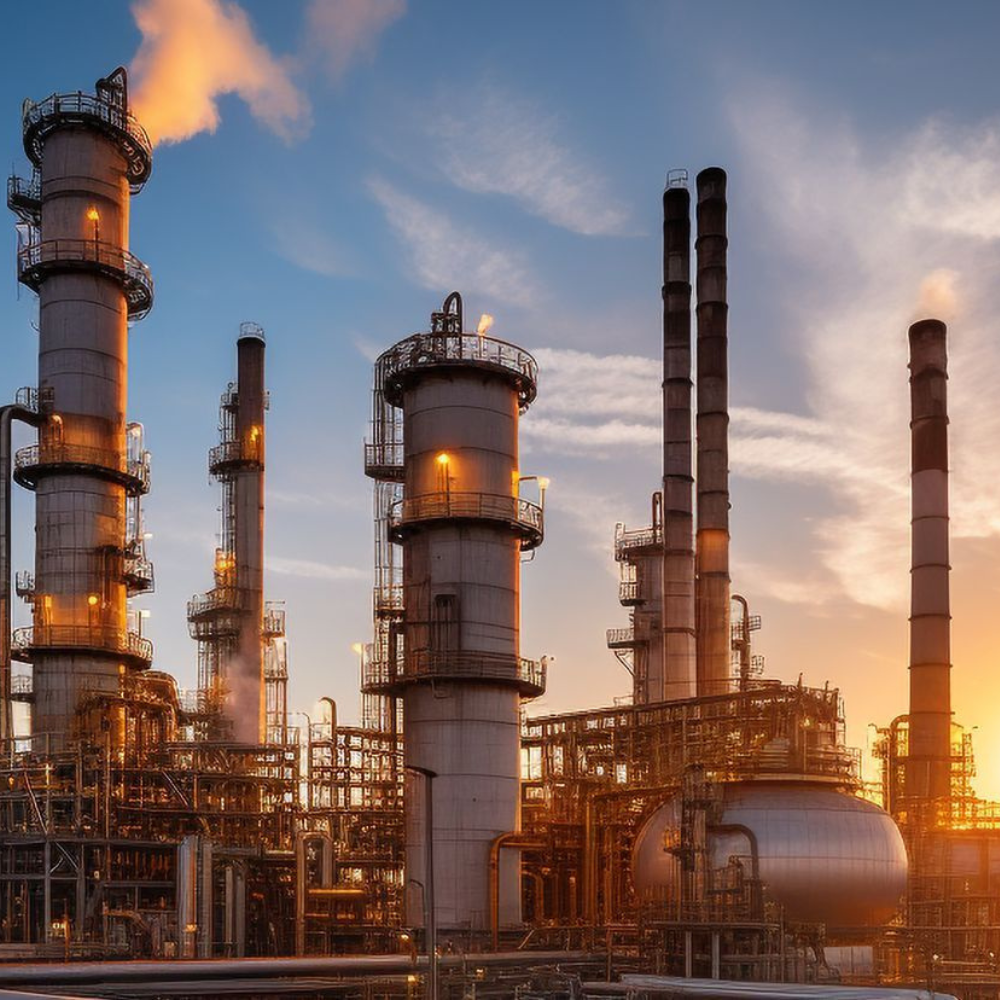
Oil production involves extracting crude oil from underground reservoirs and bringing it to the surface for processing, storage, transportation, and eventual commercialization.
The process requires coordinated technical and operational activities to ensure that petroleum resources are extracted efficiently and responsibly.
Key stages include:
Well Development: Preparing oil wells and associated infrastructure for production.
Drilling Operations: Creating access to underground hydrocarbon reservoirs through specialized drilling equipment.
Extraction: Bringing crude oil to the surface using appropriate production systems.
Separation and Processing: Separating crude oil from associated gas, water, and other materials.
Storage and Transportation: Preparing produced hydrocarbons for onward transportation and commercial distribution.
Each stage requires technical competence, operational planning, and appropriate investment.
Key Factors That Influence Oil Production
Several factors determine the efficiency and sustainability of oil production activities.
1. Investment in Infrastructure
Reliable infrastructure is essential for effective petroleum production. Drilling rigs, production facilities, pipelines, storage installations, and supporting equipment all contribute to operational efficiency.
Investment in appropriate infrastructure helps establish the foundation for sustainable production activities.
2. Technology and Innovation
Modern technology plays an important role in improving oilfield operations. Advanced monitoring systems, improved drilling techniques, and production management technologies can help operators make informed decisions and optimize available resources.
3. Effective Asset Management
Existing producing oil assets require continuous technical evaluation, maintenance, and operational oversight.
Effective asset management helps identify production challenges, improve equipment performance, and support the long-term value of petroleum assets.
4. Skilled Human Resources
Oil and gas production depends on the knowledge and experience of professionals across engineering, geology, drilling, operations, maintenance, and safety management.
Developing and maintaining a skilled workforce is essential to operational success.
5. Environmental Responsibility
Responsible production requires appropriate environmental management, regulatory compliance, and measures to minimize operational impacts on surrounding communities and ecosystems.
The Importance of Indigenous Participation in Oil Production
Indigenous oil companies have an important role to play in the development of Nigeria’s petroleum industry.
Greater local participation creates opportunities for investment, employment, technical capacity development, and stronger partnerships between Nigerian businesses and international industry stakeholders.
It also provides opportunities for local companies to participate in the development and management of existing producing assets.
However, successful participation requires access to financing, technical expertise, appropriate infrastructure, and strong corporate governance.
Exxoton’s Strategic Direction in Oil Production
Exxoton Oil & Gas Ltd. is committed to pursuing opportunities within Nigeria’s upstream petroleum sector, with a focus on exploration, production, and strategic oilfield investment.
Our company profile identifies participation in an existing producing oil asset, particularly the proposed acquisition of a 40% equity interest in OML 46, as a key investment objective.
We recognize that developing production opportunities requires strategic financial commitments, technical collaboration, and effective operational management.
Our long-term ambition is to contribute to the development of Nigeria’s petroleum resources while building a competitive indigenous energy company.
Looking Ahead: Building a Stronger Production Sector
The future of oil production in Nigeria will depend on the industry’s ability to attract investment, strengthen infrastructure, adopt appropriate technologies, and improve operational efficiency.
Collaboration between indigenous oil companies, financial institutions, technical partners, and other industry stakeholders will remain important in advancing these objectives.
At Exxoton Oil & Gas Ltd., we are focused on identifying opportunities and building strategic relationships that support the development of Nigeria’s oil and gas industry.
Conclusion
Maximizing oil production requires a combination of investment, technology, infrastructure, technical expertise, and responsible resource management.
Nigeria has significant opportunities to strengthen its position in the global petroleum industry by encouraging strategic investment and supporting the growth of indigenous energy companies.
Exxoton Oil & Gas Ltd. remains committed to being part of this growth journey through strategic exploration, production, and oilfield development opportunities.
Let’s work together to unlock greater opportunities in Nigeria’s oil and gas industry. Connect with Exxoton Oil & Gas Ltd. today.